

Safety harness inspection: 6 essential steps for working at heights
A safety harness is a critical component of any fall protection system used for working at heights. Whether on construction sites, rooftops, industrial facilities, or in confined spaces, a fall arrest harness is a key part of Personal Protective Equipment (PPE). However, a poorly maintained or improperly inspected safety harness can become ineffective and even dangerous. That’s why training and inspection always go hand in hand.
In this guide, you’ll learn how to inspect a safety harness, what safety standards to follow, and the most common mistakes to avoid to ensure height safety compliance.
What is a safety harness for working at heights?
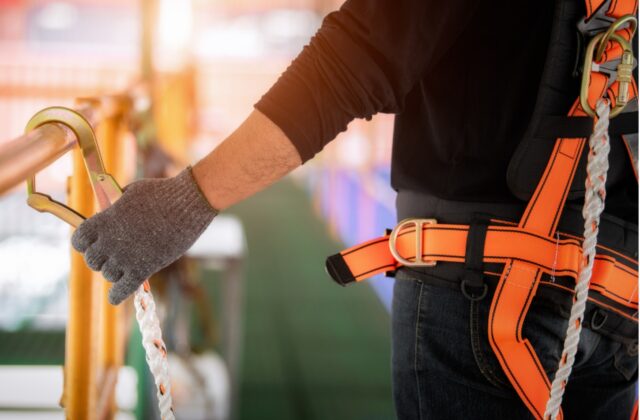
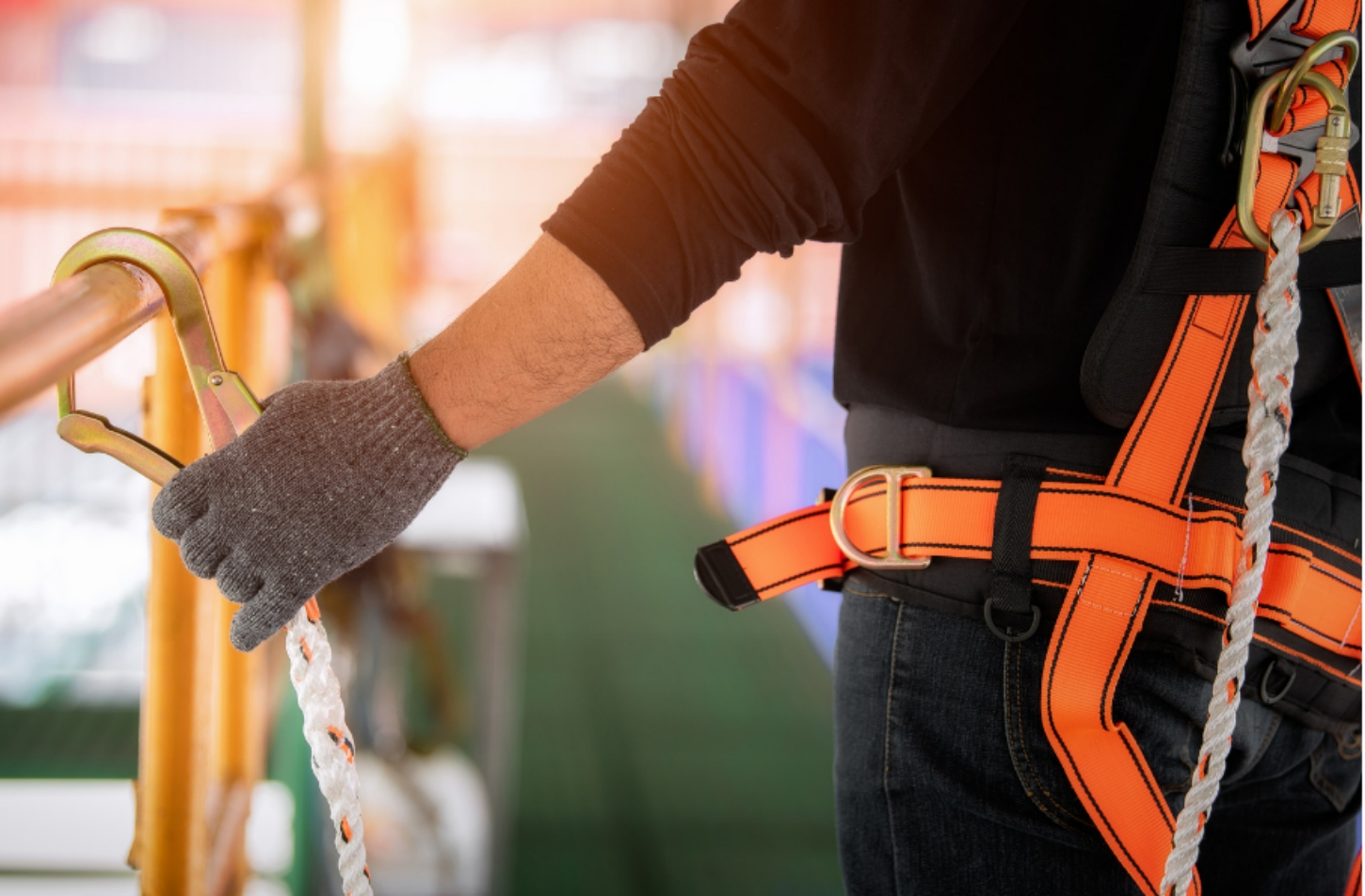
A safety harness for working at heights is designed to stop a fall and distribute impact forces across the body to reduce injury.
Unlike a simple belt, a full-body harness includes:
-
Shoulder straps
-
Chest strap
-
Leg straps
-
A dorsal D-ring (back anchor point)
It is commonly used in:
-
Construction
-
Roofing work
-
Carpentry
-
Industrial maintenance
-
Confined space entry
Wearing a harness must always be accompanied by proper fall protection training to ensure workers understand:
-
Correct adjustment and fit
-
Proper anchor point selection
-
Rescue procedures
Although they may look similar, there are 5 different harness classifications, each designed for specific work conditions:
-
Class A: Fall arrest
-
Class D: Suspension and controlled descent
-
Class E: Confined space entry
-
Class L: Ladder climbing
-
Class P: Work positioning
Even if a harness belongs to multiple classes, it must always comply with fall arrest standards.
At Santinel, our working at heights and fall protection training covers complete fall protection systems, including safety harness inspection procedures.
Safety Harness Inspection: 6 Essential Steps
A safety harness inspection must be performed before each use and periodically by a qualified person. This competency is included in our PPE inspection and working at heights training.
Here is a practical harness inspection checklist:
-
Check the labels: Ensure all labels are present, securely attached, and fully legible.
-
Verify the manufacturing date: The harness must include a label indicating the date of manufacture. It is important to confirm that the harness is still within its service life. Service life is determined either by a certified inspector or according to the manufacturer’s manual.
-
Inspect the webbing: Make sure the straps are in good condition and show no signs of cuts, tears, burns, fraying, chemical damage, or excessive wear.
-
Check the buckles: Ensure that all buckles function properly and show no signs of deformation, corrosion, or wear.
-
Inspect the stitching: Examine the harness stitching carefully to ensure there are no loose threads, broken stitches, or signs of wear.
-
Check the attachments: Inspect dorsal D-rings and all hardware components to ensure there are no cracks, distortion, corrosion, or visible signs of wear.
Why Is Fall Protection Harness Inspection Critical?
Neglecting your fall protection harness while working at heights can lead to:
-
Severe injuries
-
Internal trauma
-
Fractures
-
Fatalities
A safety harness is the last line of defense in a fall arrest system. If it fails, the consequences can be catastrophic.
Beyond the human risk, there are also serious legal and operational consequences:
-
Employer liability
-
Regulatory fines
-
CNESST penalties
-
Worksite shutdowns
-
Increased insurance costs
Proper safety harness inspection is not only a safety measure, it is a compliance requirement.
Need a Professional Safety Harness Inspection?
Our experts provide:
Contact Santinel to improve compliance, reduce liability, and protect your workforce.


