


Workplace safety is a priority for all organizations. While first aid is essential to save lives during an incident, risk prevention remains the most effective way to protect workers.
Prevention begins with identifying and analyzing risks, followed by implementing:
- Safety policies and procedures
- Employee training
- Appropriate safety equipment
These elements form the foundation of an effective occupational health and safety emergency measures plan.
When was the last time your EMP was updated or tested?
If your plan has not been reviewed recently, it is important to update it to ensure its effectiveness.
What is an Emergency Measures Plan (EMP)?
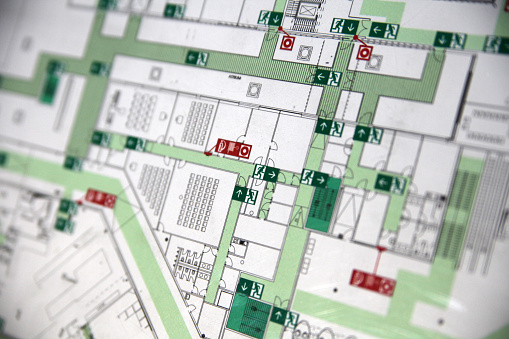
An emergency measures plan is a set of predefined protocols and procedures designed to ensure the safety of employees, visitors, and property in the event of an incident or disaster in the workplace.
In Quebec, an EMP generally includes the following elements:
-
Assessment of risks specific to the work environment (accidents, fires, hazardous material spills, etc.);
-
Evacuation procedures;
-
Roles and responsibilities of employees and emergency coordinators;
-
Safety equipment (fire extinguishers, first aid kits, etc.);
-
Emergency contacts (emergency services, local authorities, and other relevant contacts);
-
Training and drills to prepare employees for emergency situations.
Why implement an Emergency Measures Plan in your organization?
Implementing an EMP in occupational health and safety serves several essential objectives.
An effective plan helps to:
- Save lives;
- Facilitate an efficient and safe evacuation of occupants;
- Contain, slow the progression, or limit the consequences of a fire or any other disaster safely;
- Raise awareness among occupants about fire safety measures and available equipment;
- Facilitate emergency communication in the event of a disaster;
- Safely limit and manage all risks.
How often should an Emergency Measures Plan be reviewed and tested?
An emergency measures plan (EMP) must be evaluated and updated at least once per year, as well as following any significant change in the work environment (new equipment, facility modifications, new processes, etc.).
This reassessment helps to:
- Identify new risks
- Correct gaps in procedures
- Adapt response measures to the realities of the organization
- Maintain an optimal level of preparedness
It is also essential that the EMP be clearly communicated to employees so they know the procedures to follow and can respond appropriately in an emergency.
In addition, according to current requirements, the plan must be tested at least once per year, particularly through drills or simulations.
These tests allow organizations to:
- Verify the effectiveness of the plan
- Test team coordination
- Identify necessary improvements
In summary, a well-designed EMP that is regularly updated and tested annually helps ensure a rapid and coordinated response during an incident, protects workers’ health and safety, and reduces human, material, and environmental impacts.
Need support with your Emergency Measures Plan in Quebec?
Implementing or updating an emergency measures plan can be a challenge for organizations.
Santinel supports businesses across Quebec in implementing practical occupational health and safety solutions.
Our experts can help you:
- Assess your risks
- Update your emergency measures plan
- Train your teams
- Improve your preparedness for critical situations
Investing in prevention and preparedness helps protect your workers and ensures business continuity.


